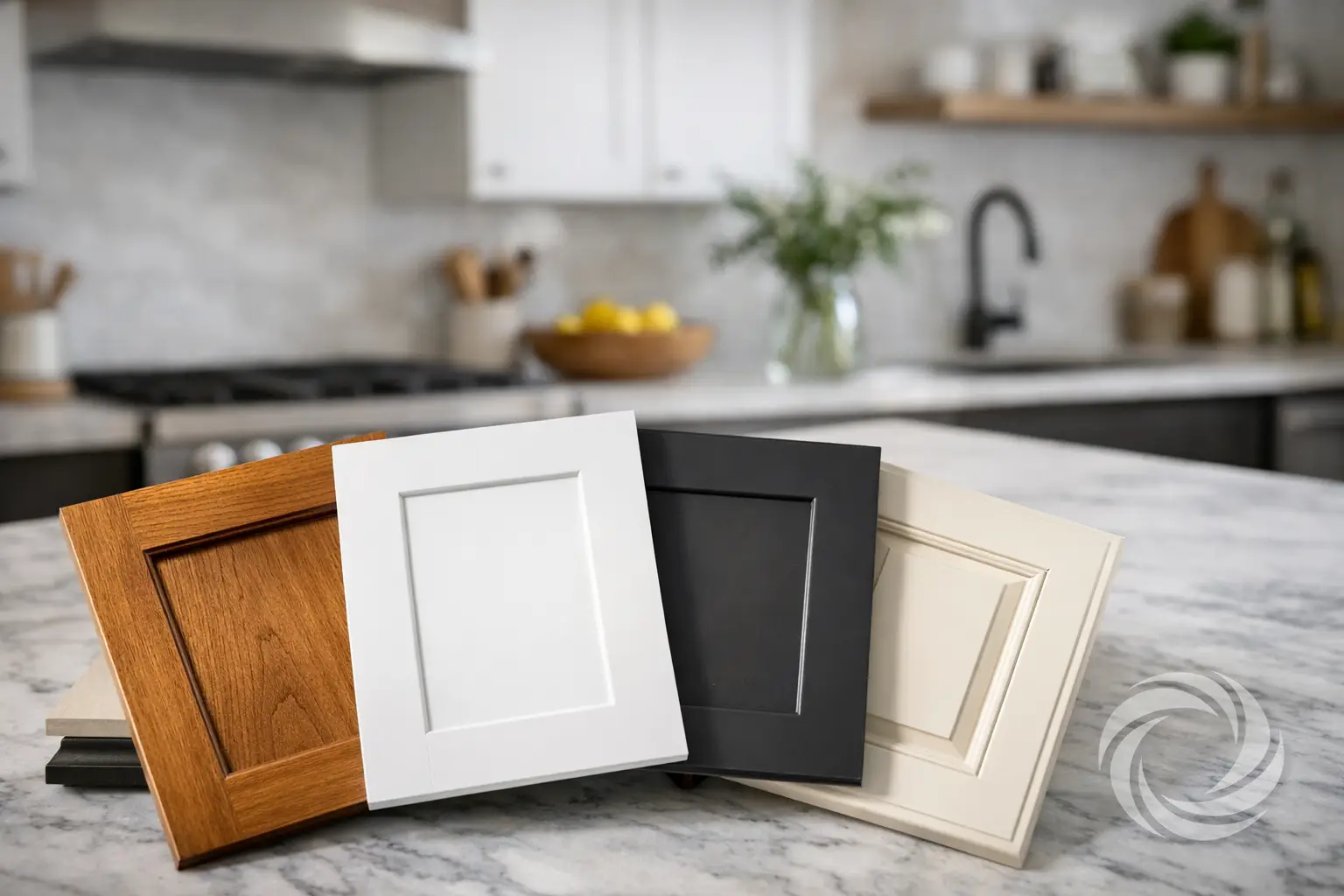
A cabinet box may carry the weight, but the doors set the visual direction of your kitchen. The right cabinet door styles can make an older room feel cleaner and more current, give a new build the character it needs, and help your investment continue to look intentional years from now. The best choice is not always the trendiest one. It is the style that suits your home, daily routine, maintenance expectations, and renovation budget.
For homeowners planning a kitchen renovation, door selection should happen early. It affects the finish, hardware, island design, crown molding, backsplash choices, and even how open or compact the room feels. A clear design plan makes those decisions easier and keeps the project moving without surprises.
Start With How You Want the Kitchen to Feel
Before comparing profiles, look at the architecture and the way your household uses the space. A bright condo kitchen, a busy family kitchen, and a traditional home with detailed trim may all need different solutions. Cabinet doors should support the room rather than compete with it.
Flat, simple doors create a calm and modern appearance. Doors with framed panels add depth and detail. Some styles sit comfortably between those two looks, making them a reliable option when you want a kitchen that will not feel dated quickly.
Practical details matter as much as the appearance. Door profiles with more corners and grooves can collect cooking residue and dust, particularly near the range. Smooth designs are easier to wipe down. If your kitchen sees daily meals, children, pets, or frequent entertaining, easy maintenance may be worth prioritizing.
Popular Cabinet Door Styles and Where They Work Best
Shaker doors
Shaker doors have a flat center panel framed by simple rails and stiles. They are one of the most requested cabinet door styles because they work with a wide range of homes. In a warm white, they can feel classic and welcoming. In charcoal, deep green, natural wood tones, or a clean painted finish, they can look current without becoming overly formal.
This is a practical choice for homeowners who want flexibility. Shaker doors pair well with both knobs and pulls, can suit a compact galley kitchen or a large open-concept layout, and provide enough detail to make cabinetry feel custom. The trade-off is that the inside edges of the frame require a little more cleaning than a completely flat door.
Slab or flat-panel doors
Slab doors have a smooth, single flat surface with no frame or recessed panel. They are a natural fit for contemporary kitchens, modern renovations, and spaces where clean lines matter. They also work well in smaller kitchens because the uninterrupted surface can make the room feel less busy.
A slab door can be finished in painted MDF, wood veneer, laminate, or other durable cabinet-grade materials. The finish has a major effect on the final look. Matte colors tend to feel understated, while a wood grain can bring warmth to a streamlined design.
This style is among the easiest to maintain, but it requires careful production and installation. Flat surfaces make uneven gaps, poor alignment, and low-quality edges more noticeable. Precise alignment and reliable soft-close hardware are not optional details here. They are part of the finished appearance.
Raised-panel doors
Raised-panel doors feature a center panel that projects forward from the surrounding frame. They bring more dimension and a traditional sense of craftsmanship to a kitchen. This style often suits homes with formal millwork, detailed trim, warm wood finishes, or classic architectural features.
Raised-panel doors can make a large kitchen feel substantial and refined, especially when paired with decorative range hoods, glass-front upper cabinets, or furniture-style islands. However, they are visually busier than shaker or slab doors. In a small, low-light kitchen, too much profile detail can make the room feel crowded.
They also involve more machining and finishing work, which can affect pricing. If you like the traditional look but want a more controlled budget, consider using this profile selectively on an island, pantry wall, or feature cabinet rather than throughout the entire kitchen.
Recessed-panel and square-profile doors
Recessed-panel doors place the center panel behind the frame, creating shadow lines without the heavier look of a raised panel. Square-profile versions keep the edges crisp and simple. They are a strong choice for transitional kitchens, where homeowners want a balance of traditional structure and modern restraint.
These doors give cabinetry depth while remaining less ornate than raised-panel designs. They can work especially well with painted finishes, light oak tones, brushed metal hardware, and simple quartz countertops. For many renovations, this is the middle ground that gives the kitchen character without tying it to a narrow trend.
Beadboard and specialty profiles
Beadboard, routed patterns, and other specialty door profiles can add cottage, farmhouse, or heritage-inspired character. Used on a pantry, island back, or small accent area, they can make a kitchen feel personal. Used across every cabinet surface, they may become visually dominant.
Specialty profiles also require more cleaning and may not suit every layout. They are best chosen with a full view of the room, including flooring, lighting, wall color, and the amount of natural light available.
Match the Door Style to Your Kitchen Layout
Door style is not a decision made in isolation. A large kitchen with a generous island can handle contrast, such as flat-panel perimeter cabinets with a shaker island. A smaller kitchen usually benefits from a more consistent approach, fewer visual breaks, and lighter finishes that reflect available light.
Upper cabinets deserve special attention. Full-height slab doors can create a clean, uninterrupted wall. Shaker or recessed-panel uppers can add useful rhythm in a more traditional home. Glass inserts may lighten a bank of cabinets, but they work best when the cabinet interiors will stay organized. They turn stored dishes into part of the visual design.
Also consider the appliances. Integrated panels generally suit modern slab-door kitchens, while a stainless range and visible hardware can work beautifully with shaker doors. If you are replacing cabinets but keeping existing appliances, measure carefully and plan the door style around the available clearances.
Finish, Construction, and Hardware Change the Result
The same door profile can look completely different based on color and construction. A shaker door in warm white paint reads differently from one in stained white oak. A slab door in a matte taupe finish feels softer than a high-gloss version. Samples should be viewed in your actual kitchen lighting whenever possible, not only under showroom lights.
For long-term performance, look beyond the door face. Quality you can see and feel comes from stable cabinet construction, durable finishes, edge treatment, hinges, and installation. Solid plywood cabinet boxes provide dependable support for doors, drawers, dishes, and everyday use. Soft-close hardware helps protect the finish by preventing repeated slamming, while accurate adjustment keeps door gaps even and clean-looking.
Hardware can either reinforce or soften the door style. Long pulls tend to emphasize modern lines on slab doors. Classic knobs and shorter pulls suit shaker and recessed-panel doors. Mixing hardware styles can work, but it should be deliberate, such as pulls on drawers and knobs on doors in the same finish.
Choose for Longevity, Not Just the First Impression
Trend awareness is useful, but a renovation should still fit your home several years from now. If you are drawn to a bold color or detailed profile, consider where it will have the greatest impact. An island, beverage station, or pantry can carry more personality while perimeter cabinets remain flexible and broadly appealing.
Budget also matters. A simpler door profile can free up funds for smart storage, better drawer organization, a durable countertop, or professional installation. Those improvements affect how the kitchen functions every day. The goal is not to choose the least expensive door or the most elaborate one. It is to spend where the value will be felt.
A design consultation can help turn samples and preferences into a coordinated plan. At Emcab Kitchens, that means considering your layout, storage needs, finish options, timeline, and budget before production begins, followed by precise installation, cleanup, final inspection, and warranty-backed support.
The best cabinet door is the one that still feels right after the renovation dust is gone: easy to live with, properly aligned, built for daily use, and unmistakably suited to your home.