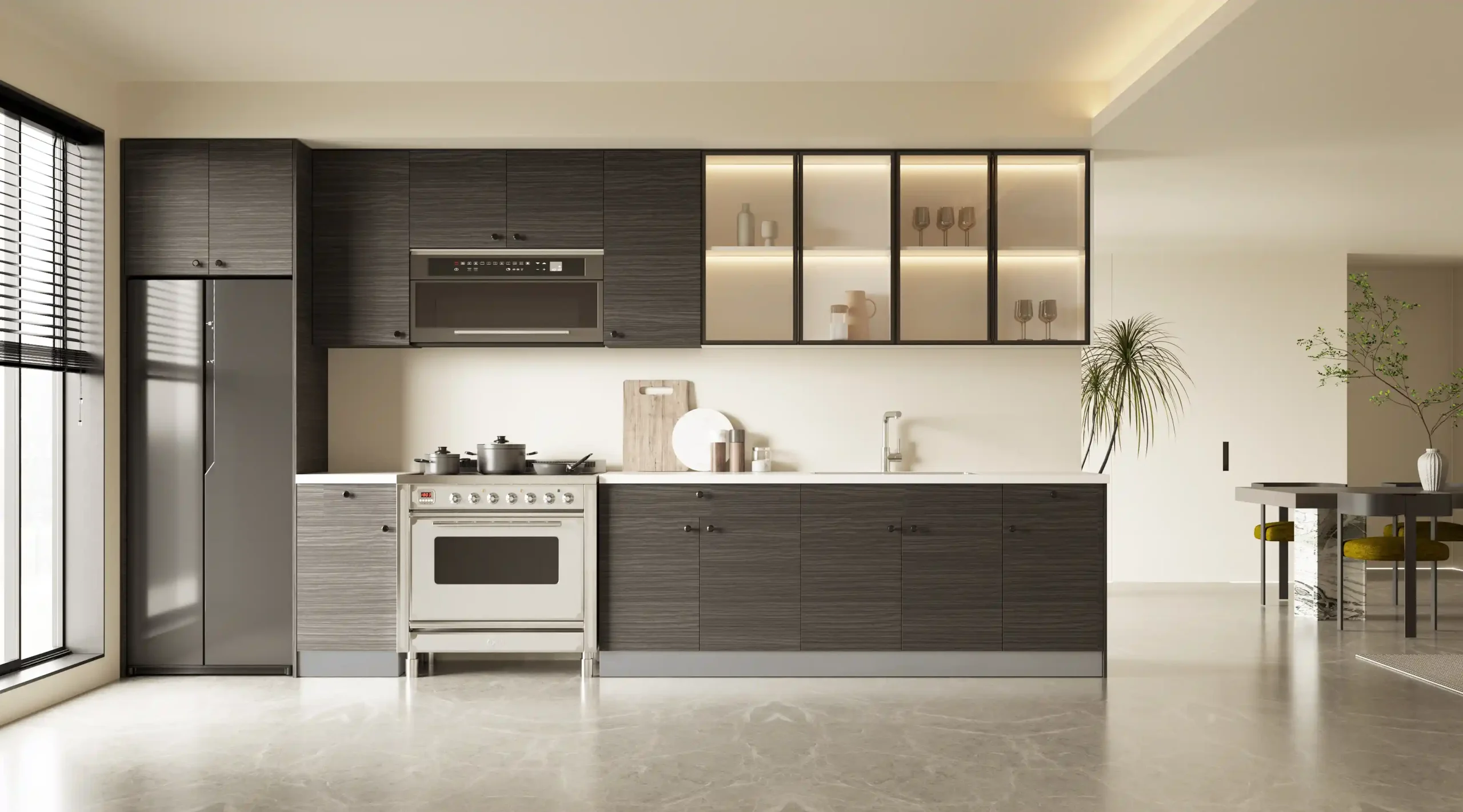
Kitchen cabinets define the overall look and feel of a kitchen. They influence how the space functions, how it looks over time, and how well it fits with the rest of the home. Choosing the right cabinets involves balancing style, materials, layout, and daily use. For Canadian homeowners, climate, lifestyle, and housing styles also play a role in decision-making.
This guide explains how to select kitchen cabinets that align with your kitchen style while supporting long-term use and visual consistency.
Start With Your Kitchen Style
Before reviewing cabinet options, it helps to identify the overall kitchen style. Some kitchens follow a traditional design with detailed door profiles and warm finishes. Others lean toward modern or contemporary styles with clean lines and minimal ornamentation. Transitional kitchens feature both classic and modern elements, offering flexibility.
Looking at the architecture of the home provides useful direction. Older homes often pair well with classic or transitional cabinetry, while newer builds may suit flat-panel or slab-style doors. Consistency between the kitchen and the rest of the home creates a balanced look.
Understand Cabinet Door Styles
Cabinet door style is one of the most visible elements in a kitchen. Common styles include shaker, raised panel, recessed panel, slab, and glass-front doors. Shaker doors suit a wide range of kitchens due to their simple frame and clean appearance. Raised panel doors are often associated with traditional kitchens, while slab doors are commonly used in modern designs.
Glass-front kitchen cabinets can add visual interest and help lighten the appearance of a kitchen, especially in smaller spaces. Selecting one or two glass cabinets rather than using them throughout keeps the design cohesive.
Choose Materials That Suit Daily Use
Cabinet materials affect durability, appearance, and maintenance. Solid wood offers a classic look and long lifespan. Engineered wood products provide stability and consistency, especially in environments where temperature and humidity change through the seasons.
In Canadian kitchens, materials that resist warping and surface wear are especially important. Finishes should handle regular cleaning and daily activity without showing damage easily. A balance between appearance and practicality supports long-term satisfaction.
Select a Finish That Complements the Space
Cabinet finishes influence how light and space are perceived in a kitchen. Lighter finishes can make smaller kitchens feel more open, while darker finishes add depth and contrast. Painted cabinets offer a smooth, uniform look, while stained finishes highlight wood grain and texture.
When selecting a finish, consider surrounding elements such as flooring, countertops, and wall colours. A cohesive palette helps the kitchen feel intentional rather than pieced together.
Consider Storage and Functionality
Style should always work alongside function. Cabinet layout determines how efficiently the kitchen operates. Deep drawers, pull-out shelves, corner solutions, and pantry cabinets improve access and organization.
Thinking about cooking habits, appliance placement, and storage needs helps guide cabinet selection. A kitchen designed around daily routines feels comfortable and practical, regardless of style.
Match Hardware to Cabinet Design
Hardware plays a supporting role in cabinet design. Handles, knobs, and pulls should suit the cabinet style and overall kitchen theme. Sleek bar pulls often work well in modern kitchens, while classic knobs or cup pulls suit traditional designs.
Hardware finishes such as brushed metal, matte black, or warm tones add contrast or subtle detail. Keeping hardware consistent throughout the kitchen supports a unified appearance.
Balance Trends With Timeless Design
Cabinet trends change over time, but kitchens are long-term spaces. Choosing a style that balances current design preferences with lasting appeal helps avoid frequent updates. Neutral colours, simple door styles, and quality materials tend to age well.
Trends can still be introduced through accessories, lighting, or wall finishes, allowing the cabinetry to remain relevant for years to come.
Think About Cabinet Construction Quality
Beyond appearance, cabinet construction affects performance. Features such as sturdy boxes, solid joinery, and reliable hardware support daily use. Soft-close hinges and drawer slides improve comfort and reduce wear.
Quality construction ensures cabinets maintain alignment and function over time, especially in busy households.
Account for Kitchen Size and Proportions
Cabinet scale should suit the size of the kitchen. Large, detailed cabinets can overwhelm small spaces, while minimal designs may feel underwhelming in larger kitchens. Upper cabinet height, depth, and spacing influence how open or enclosed the kitchen feels.
Thoughtful proportions help the kitchen feel balanced and comfortable to work in.
Work With a Clear Plan
Selecting the right cabinets becomes easier with clear planning. Reviewing samples, visual references, and layout drawings helps connect style choices with practical needs. Professional guidance can also help align design preferences with structural realities.
A well-planned cabinet selection supports a kitchen that looks cohesive, functions efficiently, and fits the home’s character.
Contact Emcab Kitchens for Kitchen Cabinets in Winnipeg
If you want to design and install custom kitchen cabinets in Winnipeg, Emcab Kitchens has the expertise and resources to make it happen. Our team of experts can help you create your dream kitchen with customized cabinets that suit your specific needs and style preferences.
We have a wide range of cabinet styles and finishes to choose from. From high-quality wood options to durable laminates, we provide top-of-the-line materials for your custom cabinets.