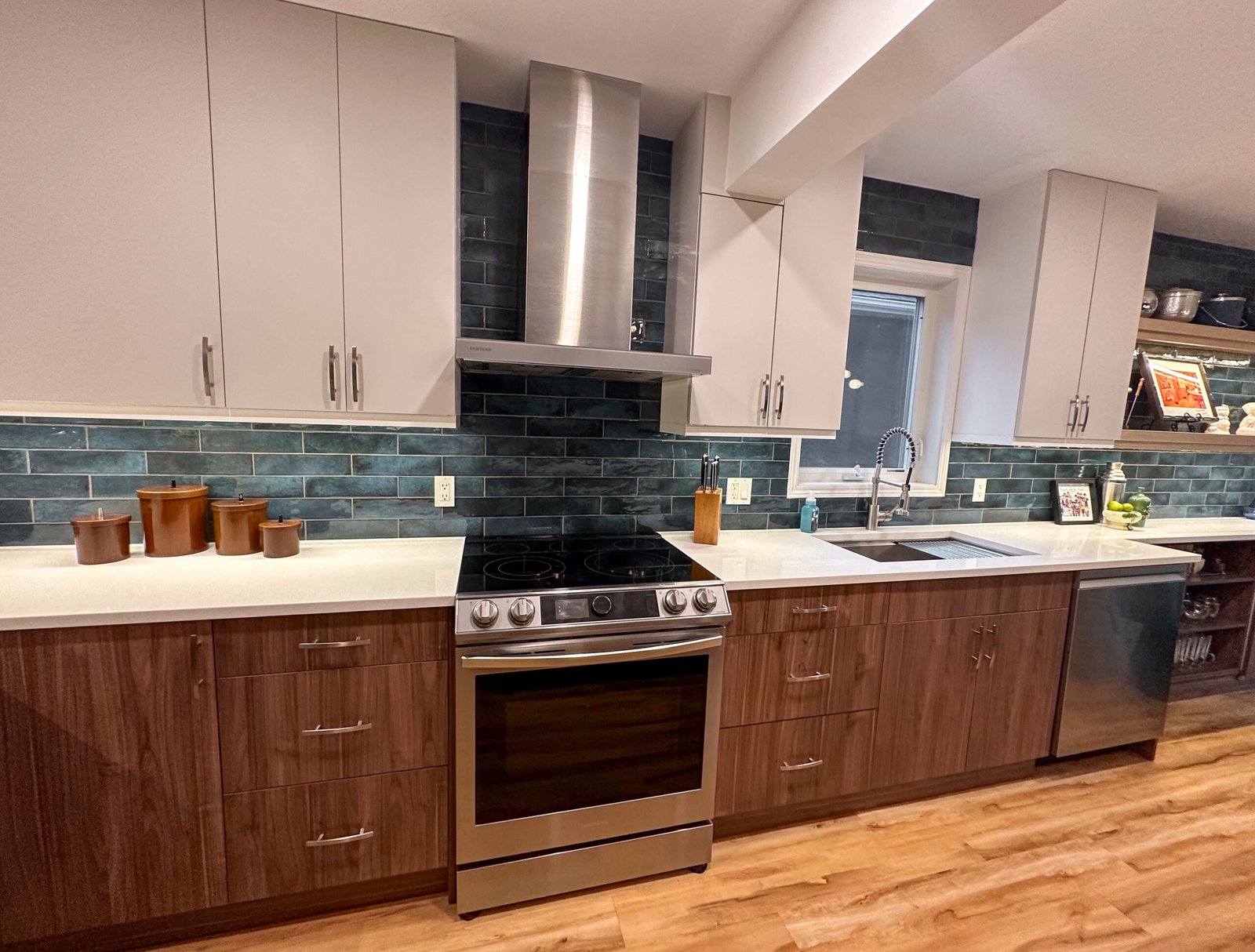
If your kitchen feels tired, cramped, or stuck in another decade, you’re probably already thinking about a renovation in 2026. For many Canadian homeowners, the kitchen isn’t just a place to cook. It’s where mornings begin, guests gather, kids do homework, and late-night snacks happen. So when it’s time for an upgrade, the question naturally comes up: How much is this really going to take?
While exact numbers vary from home to home, understanding what shapes your renovation budget can help you plan with confidence and avoid surprises along the way.
Your Kitchen’s Current Condition Matters
Before any design ideas come into play, your existing kitchen sets the foundation.
If your space already has solid plumbing, stable electrical work, and decent structural support, renovations tend to move faster and smoother. Older homes, especially in cities like Toronto, Montreal, or Vancouver, may come with outdated wiring, hidden water damage, or uneven flooring. These behind-the-scenes issues can affect timelines, planning and finances.
A kitchen that’s been well maintained usually gives you more flexibility when choosing finishes and layouts.
Size Plays a Big Role
A compact condo kitchen in Downtown Vancouver is very different from a large open-concept kitchen in suburban Alberta.
Bigger kitchens require:
- Additional cabinetry
- Larger countertops
- Extra flooring
- More lighting fixtures
- Extended labour time
Smaller kitchens may seem simpler, but tight spaces can require custom solutions to make everything fit properly. Either way, square footage influences every stage and the cost of the kitchen renovation.
Layout Changes vs. Surface Upgrades
One of the biggest budget factors is how much you plan to move around.
Keeping the existing layout often means working with current plumbing, gas lines, and electrical points. This approach usually keeps projects simpler.
Changing the layout brings a different level of complexity. Moving sinks, stoves, dishwashers, or walls means new permits, inspections, and professional services. Open-concept designs remain popular in Canada, especially in newer builds, but they require careful planning.
If you love your current setup and just want a fresh look, your renovation path becomes far more straightforward.
Cabinets: The Heart of the Kitchen
Cabinetry often sets the tone for the entire space.
Your options generally include:
- Stock cabinets
- Semi-custom cabinets
- Fully custom cabinets
Stock cabinets offer quick installation and standard sizing. Semi-custom gives more flexibility with finishes and storage options. Custom cabinetry fits your space perfectly and reflects your style, from farmhouse to modern minimalist.
Material choice also matters. Solid wood, engineered wood, laminate, and painted finishes all have different durability levels and maintenance needs.
Smart storage features like pull-out pantries, corner organizers, and soft-close drawers add comfort and convenience to everyday use.
Countertops Make a Statement
Countertops are one of the most visible parts of any kitchen. Canadian homeowners in 2026 continue to gravitate toward:
- Quartz
- Granite
- Porcelain slabs
- Solid surface materials
Each option brings its own personality. Quartz offers consistency and easy care. Granite adds natural character. Porcelain handles heat well and suits sleek designs.
Edge styles, thickness, and backsplash integration also affect the price and how the final look comes together.
Appliances: Style Meets Function
Modern kitchens depend heavily on smart, efficient appliances.
Many Canadians now look for:
- Energy-efficient models
- Smart connectivity
- Quiet dishwashers
- Induction cooktops
- Built-in refrigeration
Matching appliance finishes with cabinetry and hardware creates a cohesive feel. Panel-ready appliances are growing in popularity for those who prefer a seamless appearance.
Planning appliance placement prior to the kitchen renos helps avoid redesigns later.
Flooring Sets the Foundation
Kitchen flooring needs to handle spills, foot traffic, and temperature changes.
Popular choices include:
- Luxury vinyl plank
- Porcelain tile
- Engineered hardwood
- Waterproof laminate
Cold Canadian winters make heated flooring systems appealing in many homes. While optional, they add year-round comfort, especially in basements and ground-level kitchens.
Lighting Changes Everything
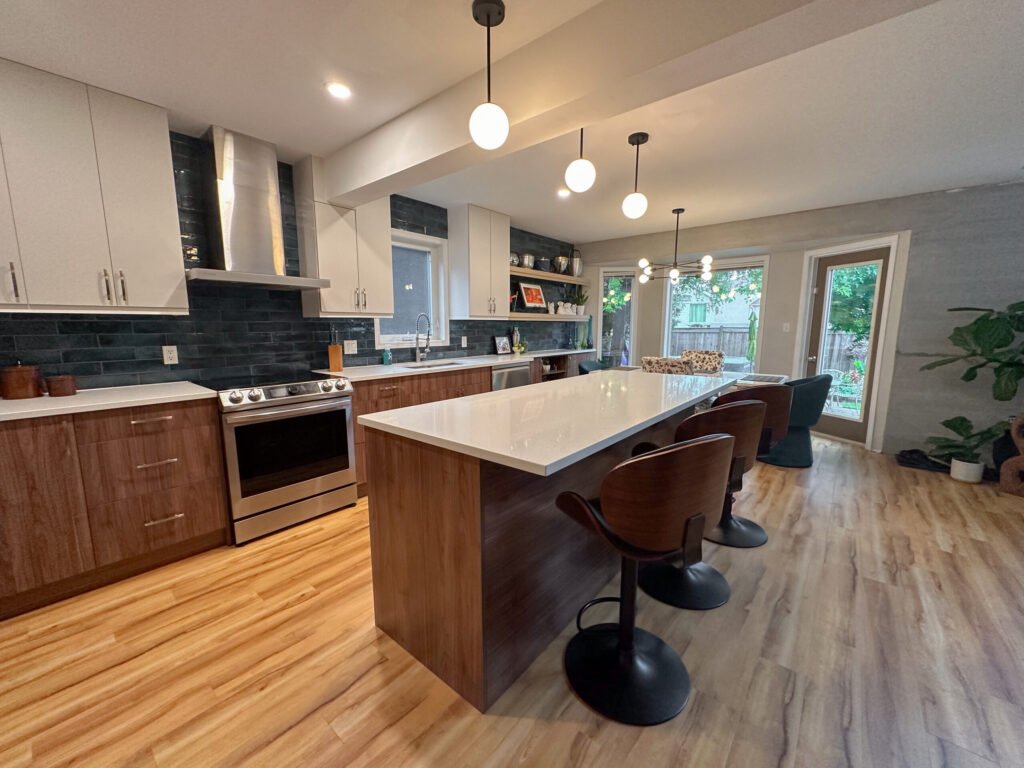
Good lighting turns a functional kitchen into an inviting space.
A balanced lighting plan usually includes:
- Task lighting under cabinets
- Ambient ceiling fixtures
- Accent lighting for display areas
- Pendant lights over islands
Natural light also plays a role. If your renovation includes window upgrades or skylights, the entire room can feel brighter and more open.
Labour and Professional Services
Behind every great kitchen renovation is a skilled team.
Depending on your project, you may work with:
- Designers
- Contractors
- Electricians
- Plumbers
- Carpenters
- Tilers
Canadian building codes, permit requirements, and regional regulations influence timelines and workflows. Hiring experienced local professionals helps ensure compliance and quality workmanship.
Communication is key. Clear expectations reduce delays and keep projects moving smoothly.
Permits and Inspections
Many kitchen renovations require municipal permits, especially when structural changes or system upgrades are involved.
Cities and provinces across Canada have different rules. Toronto, Calgary, and Vancouver each follow their own approval processes. Inspections may be required at various stages, from framing to final completion.
Factoring these steps into your plan helps avoid last-minute stress.
Design Choices Reflect Your Lifestyle
Every renovation reflects how you live. Some homeowners focus on entertaining, choosing large islands and open seating. Others prioritize storage, adding pantry systems and appliance garages. Families may prefer durable surfaces that handle spills and scratches. Condo owners often focus on space-saving designs.
Your lifestyle shapes every decision, from drawer depth to backsplash height.
Planning Ahead Makes All the Difference
A successful kitchen renovation in 2026 starts long before demolition begins.
Helpful steps include:
- Gathering inspiration
- Listing priorities
- Setting a realistic timeline
- Working with professionals early
- Preparing for temporary kitchen setups
Living through a renovation takes patience. Having a plan for meals, storage, and daily routines makes the process easier.
So, how much is a kitchen reno gonna cost in 2026? The real answer depends on your space, goals, materials, and design choices. From cabinets and countertops to lighting and layout, every detail shapes the final result. By understanding what goes into a renovation, Canadian homeowners can approach their projects with confidence, creativity, and clarity.
A well-planned kitchen upgrade isn’t just about changing a room. It’s about creating a space that supports everyday life, family moments, and years of memories ahead.
Contact Us for Your Kitchen Renovation Winnipeg
At Emcab Kitchens, we transform tired, outdated kitchens into fresh, efficient, and beautiful spaces that fit your life. With over 25 years of experience, we specialize in kitchen renovation in Winnipeg, combining skilled craftsmanship, creative design, and practical planning to bring your vision to life.
Whether you’re planning a full-scale remodel or focusing on key updates like custom cabinetry and new countertops, our team ensures your project is straightforward and budget-friendly. For kitchen renos in Winnipeg that homeowners can be proud of, trust our expertise to create a space that’s perfect for your family and lifestyle.