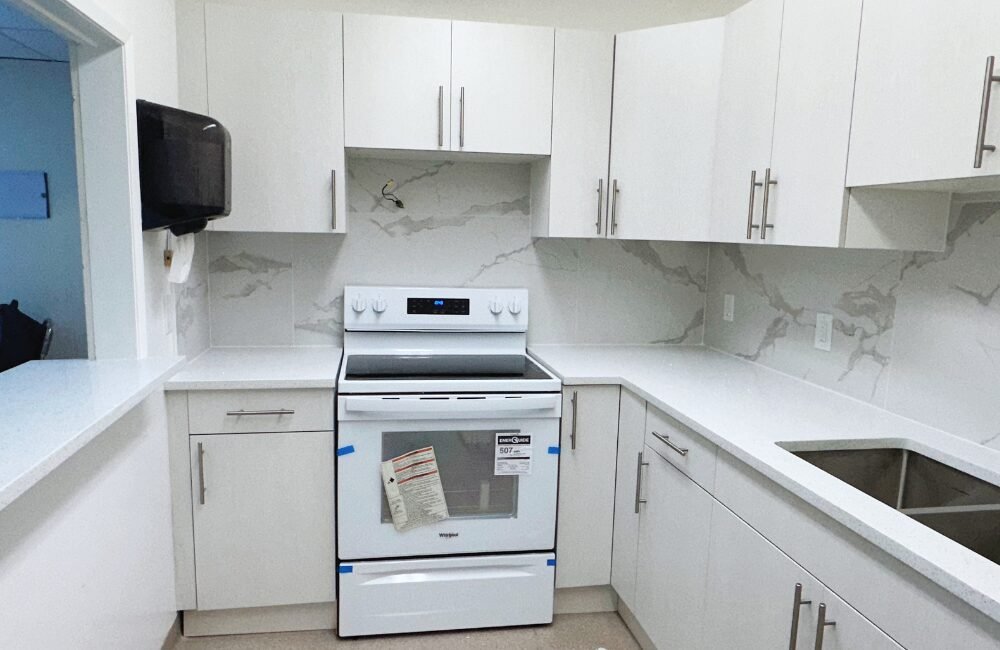
Kitchen renovation is one of the most common home improvement projects in Winnipeg. Homeowners consider updates for many reasons, including improving functionality, updating finishes, or preparing a property for resale. While the title question focuses on cost, the reality is that kitchen renovation expenses vary widely. Instead of fixed figures, it is more useful to understand the factors that influence overall spending and how decisions shape the final outcome.
This guide explains what typically affects the costs of a kitchen renovation in Winnipeg, offering a clear picture of what goes into planning such a project without focusing on specific dollar amounts.
Scope of the Renovation
The overall scope plays a central role in determining renovation costs. A kitchen refresh may focus on surface-level updates such as cabinet refacing, new countertops, or updated lighting. Larger renovations often involve structural changes, layout adjustments, or full replacement of cabinets and appliances.
In Winnipeg homes, older properties may require additional work behind the walls, including updates to plumbing or electrical systems. The broader the scope, the more trades, materials, and time are involved, which increases overall investment.
Kitchen Size and Layout
Kitchen size has a direct impact on renovation complexity. Larger kitchens require more materials, longer installation time, and additional labour. Smaller kitchens can still involve detailed work, especially if the layout is tight or inefficient.
Layout changes tend to add complexity. Moving sinks, stoves, or dishwashers often requires plumbing or electrical relocation. In Winnipeg homes with basements or slab foundations, access points and building design also influence how work is carried out.
Cabinetry Choices
Cabinetry is often one of the most significant elements of a kitchen renovation. Options range from stock cabinets to semi-custom and fully custom designs. Each option differs in materials, construction quality, and flexibility.
Stock cabinets offer standard sizes and finishes, while custom cabinetry allows homeowners to maximize storage and adapt to unique layouts. In Winnipeg, where homes vary widely in age and design, custom solutions may suit certain properties better, particularly older homes with non-standard dimensions.
Countertops and Surfaces
Countertop materials play a key role in both appearance and long-term performance. Popular options include laminate, quartz, granite, solid surface, and wood. Each material offers different durability, maintenance requirements, and visual appeal.
Backsplashes, flooring, and wall finishes also influence the overall feel of the space. Coordinating these surfaces creates a cohesive design, though material selection affects installation time and labour requirements.
Appliances and Fixtures
Appliances contribute to both function and style. Some homeowners keep existing appliances, while others choose to upgrade to newer models with modern features. Built-in appliances or panel-ready designs often require additional planning and precise installation.
Fixtures such as faucets, sinks, and lighting also shape the kitchen experience. Winnipeg homeowners often consider energy-efficient appliances and lighting due to climate and utility considerations.
Labour and Skilled Trades
Labour accounts for a significant portion of any kitchen remodel Winnipeg. Carpenters, electricians, plumbers, tile setters, and painters may all be involved depending on the scope of work. Coordinating multiple trades requires careful scheduling and experienced project management.
In Winnipeg, seasonal demand can influence contractor availability. Renovations planned during busier months may require advance scheduling. Older homes may also present unexpected challenges that require skilled problem-solving.
Permits and Building Requirements
Some kitchen renovations require permits, particularly if structural changes, electrical updates, or plumbing modifications are involved. Local building codes and safety standards must be followed, and inspections may be required at different stages.
Understanding permit requirements early in the planning process helps avoid delays. Professional contractors familiar with Winnipeg regulations can guide homeowners through this process and ensure compliance.
Design and Planning Services
Design services can influence both the efficiency and outcome of a renovation. Kitchen designers help with layout optimization, material selection, and coordination between elements. Good planning reduces the risk of changes during construction, which often lead to delays or additional work.
Some homeowners prefer working with design-build firms, while others coordinate designers and contractors separately. The level of design involvement affects planning timelines and overall project flow.
Age and Condition of the Home
The condition of the existing kitchen plays an important role in renovation complexity. Homes in Winnipeg range from newer builds to decades-old properties. Older kitchens may require updates to insulation, wiring, or plumbing to meet current standards.
Hidden issues such as water damage or outdated infrastructure can surface once demolition begins. Planning for potential adjustments helps keep the project on track.
Personal Preferences and Long-Term Goals
Every kitchen renovation Winnipeg reflects personal priorities. Some homeowners focus on long-term durability, while others prioritize visual updates or resale appeal. Lifestyle considerations, such as cooking habits, family size, and storage needs, influence design choices.
Thinking about how the kitchen will be used over time helps guide decisions and ensures the renovation supports daily life rather than focusing solely on short-term trends.
For Winnipeg homeowners, working with experienced local professionals like Emcab Kitchens, planning carefully, and setting clear priorities helps create a kitchen that fits both the home and lifestyle. A well-thought-out renovation delivers lasting value, comfort, and functionality without relying on generalized price estimates.