
Most homeowners focus on hardware, finishes, and door styles when planning a bathroom cabinetry or a new kitchen. Case construction also known as the cabinet box plays a huge role in long-term value, performance, and durability. Two materials rule the Canadian cabinetry market, and these are plywood and melamine.
Every option brings performance characteristics, price points, and distinct strengths. Choosing between plywood and melamine cabinet case construction relies on different priorities like design preferences, usage patterns, climate, and budget. Understanding how homeowners can compare these two options allows them to make informed decisions that align climate, lifestyle, and budget consideration common in Canada.
What is Cabinet Case Construction?
Cabinet case construction means the internal box structure that supports shelving, drawers, and doors. This involves the interior surfaces, back, bottom, top, and cabinet sides. A well-designed case keeps shelves stable, drawers operating smoothly, and doors aligned stable over years of everyday usage.
Cabinet cases face frequent use, humidity changes, and temperature fluctuations in Canada, especially in laundry and kitchen spaces. Material choices impact how cabinets perform under such weather conditions.
What is Melamine Cabinet Construction?
Melamine cabinets are designed using particleboard panels, which are coated with a resin-infused decorative surface. The finish is then heat-fused onto the board, which creates a durable and smooth exterior. Melamine is popular in Canada because of its modern and clean appearance and affordability. Main characteristics of melamine are:
- Commonly used in sem-custom and modular cabinetry
- Consistent texture and colour in panels
- Finished with a non-porous and hard surface
- Manufactured from wood particles bonded with resin
What is Plywood Cabinet Construction?
Plywood has a long-standing reputation for resilience and strength in demanding environments. Plywood cabinets use various layered sheets of wood veneer. These are bonded together with strong adhesives. Every layer is positioned perpendicular to the next. This adds structural stability. Key characteristics of plywood are:
- Widely used in high-end and custom cabinetry.
- Lighter weight compared to particleboard.
- Solid and resilient to sagging and bending.
- Constructed from different wood veneers.
Structural Performance and Durability
Melamine is durable because the cabinet boxes can hold up well under standard residential usage. The surface is resistant to everyday wear, scratches, and stains. Shelves can stay flat when supported properly. Know that heavy loads might require additional reinforcement. Melamine relies a lot on edge sealing in humid environments. Moisture intrusion can cause the particleboard to swell if exposed over time.
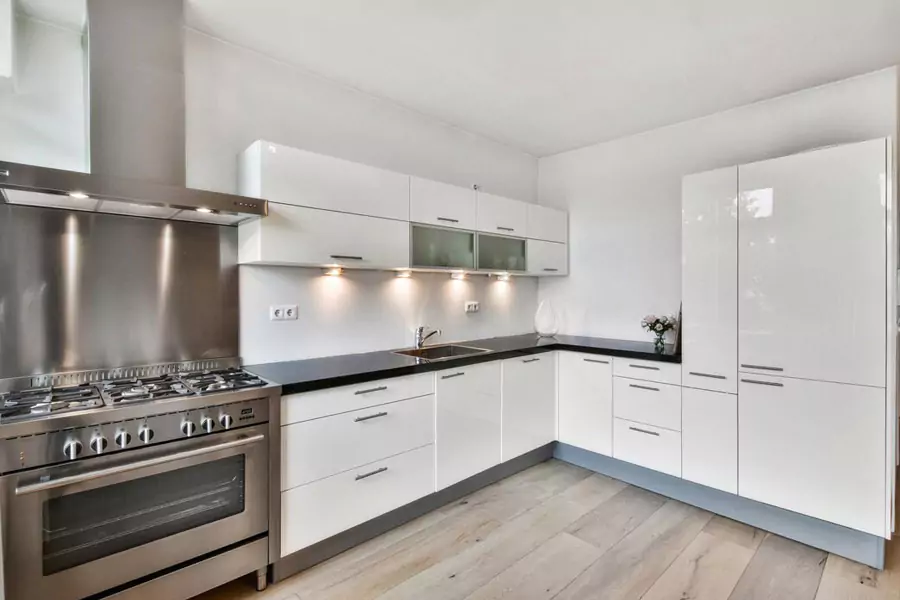
Plywood is also durable, as it provides excellent structural integrity. Its layered construction effectively handles, which makes it best for deep drawers and wide cabinets. Screws grip securely, helping drawer and hinges slides stay aligned for decades. Plywood kitchen units tolerate moisture exposure better than compared to melamine particleboard, making it a value trait for Canadian homeowners who experience seasonal humidity shifts.
Moisture Resistance in Canadian Climates
Climate has a main role in cabinet material performance.
How Does Melamine React to Moisture?
The surface of melamine is resistant to splashes and spills. This makes it easy to wipe clean. Problems arise when water seams or reaches exposed edges. Quality cabinets are addressed with proper installation and sealed edges. Melamine performs best in good ventilation and controlled indoor environments.
How Does Plywood Handle Moisture?
Plywood resists contraction and expansion naturally. Even when exposed to mild moisture, as it retains its real strength and shape. This makes it a better option for cottages, mudrooms, bathrooms, and kitchens. Plywood offers added peace of mind for areas with higher humidity or coastal regions.
What are the Cost Considerations for Canadian Homeowners?
Budgeting guides cabinet decisions for Canadian homeowners.
What is the Melamine Cost Range?
Melamine cabinets have less upfront cost because material availability and manufacturing efficiency keeps prices low for most renovation projects. This makes melamine beneficial for cost-conscious renovations, rental properties, and condos. Common advantages are:
- Reduced overall cabinet budget
- Predictable pricing
- Lower material costs
What is the Plywood Cost Range?
Plywood kitchen units require higher labour and material investment. The added longevity and strength shows affordability in price. Canadian homeowners planning long-term occupancy view plywood as a value-focused investment. Common factors that impact costs are:
- Custom sizing flexibility
- Skilled labour requirements
- Higher raw material pricing
Design Flexibility and Appearance
Modern melamine finishes have a wide range of patterns, textures, and colour, From solid tones to woodgrain and gloss to matter are readily available. Melamine interiors blend perfectly with minimalist kitchens and contemporary door styles. Design benefits include:
- Minimal visible imperfections
- Clean interior finishes
- Uniform appearance
The interiors of plywood cabinets feature a natural wood appearance. Most Canadian homeowners like the authenticity and warmth it brings. Plywood integrates easily with upscale, transitional, and traditional designs. Design benefits are:
- Compatibility with custom cabinets
- Premium aesthetic
- Natural wood grain
Which Cabinet Case Material is Best for Your Home?
Melamine provides modern appeal, consistency, and affordability, while plywood cabinets offer long-term performance, resilience, and strength. Both materials perform well when properly installed and manufactured. Understanding how every option behaves under local conditions helps to ensure that cabinets remain visually appealing and functional for years ahead for Canadian homeowners. Careful selection at the case construction levels builds a strong basis of successful cabinetry projects.